
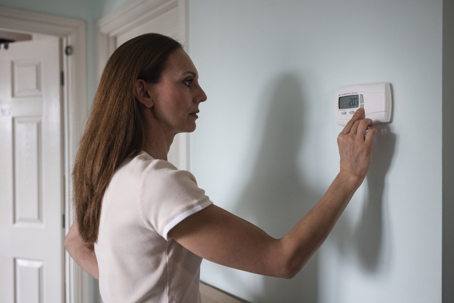
After months of dormancy, your air conditioning system faces its biggest test when the first warm front hits Northern Virginia. Transitioning from a cold winter to a humid Fairfax spring often reveals hidden vulnerabilities in your HVAC system that went unnoticed during the fall. At Air Treatment Heating & Cooling, we believe that an informed homeowner is a comfortable homeowner. With 67 years of experience serving this community, we have identified the most frequent "startup" struggles and the misconceptions that often lead to unnecessary repairs and high energy costs.
The Top 5 Spring AC Issues in Fairfax
When you flip your thermostat to "cool" for the first time this year, several mechanical and environmental factors can prevent your home from reaching the desired temperature. Identifying these issues early can save you from a complete system failure during a summer heatwave.
Here are the most common problems we encounter during spring service calls:
Clogged Condensate Drain Lines: Algae and debris can build up in the drain line over winter, leading to water backups or system shutdowns when the AC starts removing humidity.
Frozen Evaporator Coils: Often caused by restricted airflow or low refrigerant, frozen coils prevent your system from absorbing heat, leaving your air lukewarm.
Worn Capacitor and Electrical Failures: Fluctuating winter temperatures can stress electrical components; a failed capacitor will prevent the compressor or fan motor from starting.
Dirty Outdoor Condenser Units: Leaves, mulch, and cottonwood seeds from Fairfax gardens can coat your outdoor coils, forcing the system to overheat and consume more power.
Thermostat Calibration Issues: Sometimes the problem isn't the AC itself, but a thermostat that is no longer communicating accurately with the unit after a long winter break.
Debunking Common HVAC Myths
In our 67 years of business since 1958, we have heard many myths that homeowners follow in hopes of saving money. Unfortunately, many of these "tips" actually cause more harm than good to your equipment and your indoor air quality.
Let’s set the record straight on these common misconceptions:
Myth: Cranking the thermostat lower cools the house faster. Setting your AC to 60°F won't make it reach 70°F any quicker; it simply keeps the system running longer, leading to unnecessary wear.
Myth: You only need to change your filters once a year. In Virginia, pollen and pet dander can clog a filter in as little as 30 to 90 days. Dirty filters are the leading cause of airflow restriction and system strain.
Myth: A bigger AC unit is always better. An oversized unit will "short cycle," turning on and off too frequently. This prevents the system from properly dehumidifying your home, leaving it feeling "clammy."
Myth: Maintenance is only necessary if the system breaks. Regular tune-ups are a proactive investment. Much like a car, your AC requires lubrication, cleaning, and calibration to maintain its 10 to 15-year lifespan.
Professional Solutions for Year-Round Comfort
Understanding the difference between HVAC facts and fiction is the first step toward a more efficient home. Because Air Treatment Heating & Cooling has been part of the Fairfax landscape for over six decades, we understand exactly how our local climate affects your machinery. We don't just fix symptoms; we address the root cause of your cooling issues to ensure your system survives the demanding Virginia summer.
If you suspect your system is struggling with one of these common spring issues, or if you want to verify that your AC is operating at peak efficiency, our NATE-certified technicians are here to help. We provide transparent, professional advice to keep your home cool and your utility bills predictable.
Contact Air Treatment Heating & Cooling today at (703) 270-0881 to schedule your spring inspection and debunk the myths that might be costing you money.